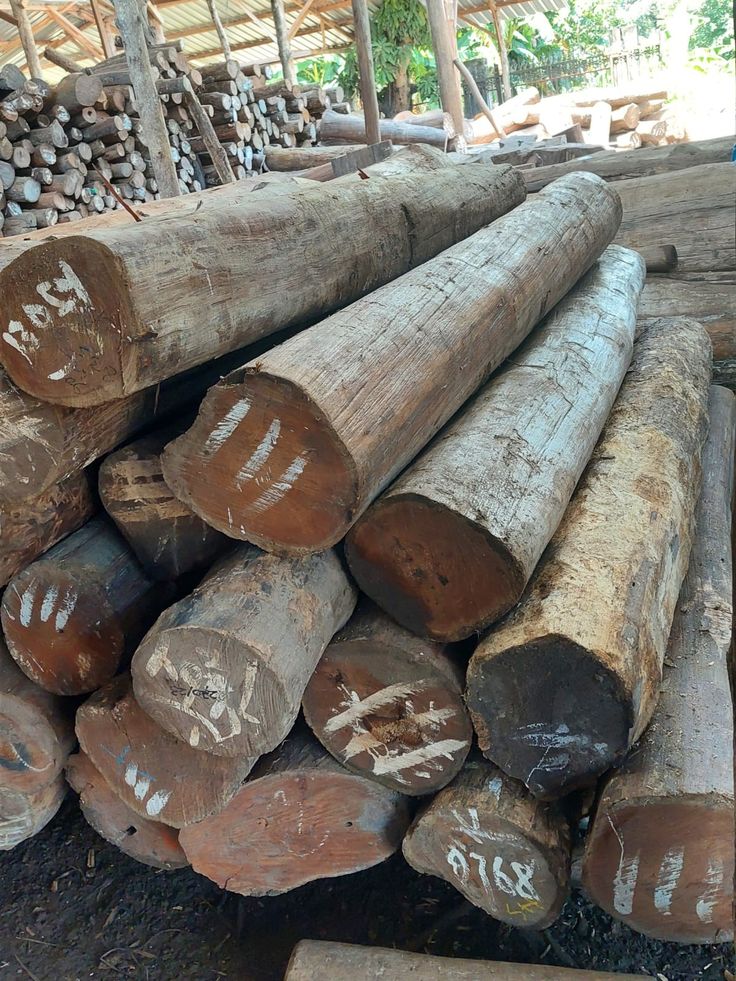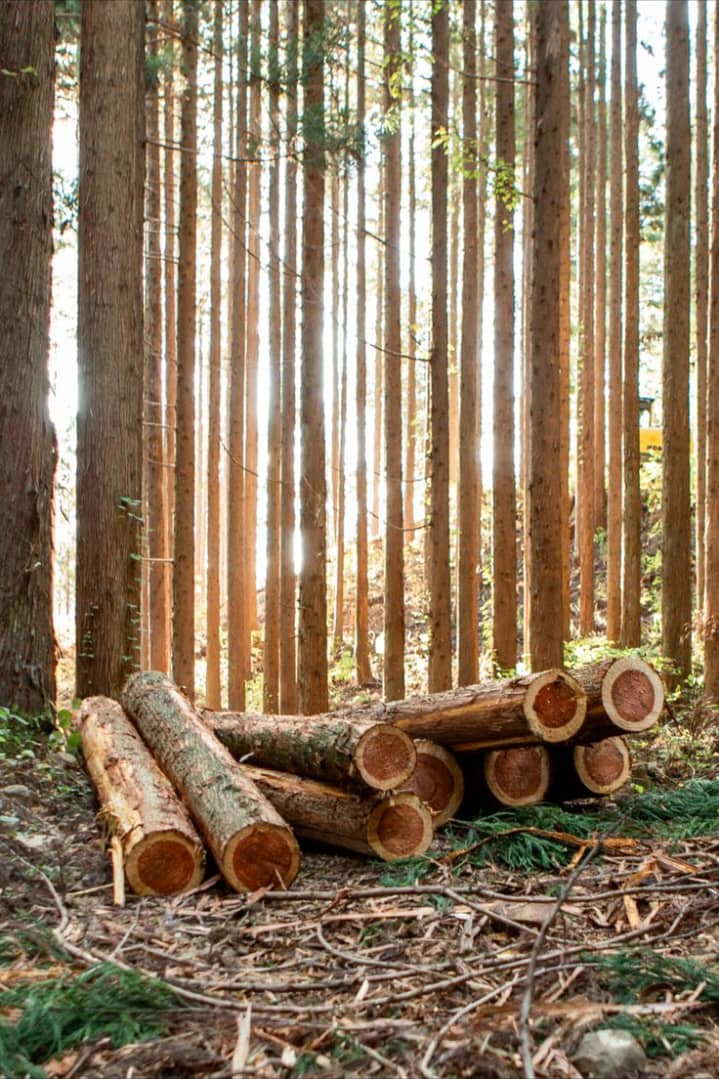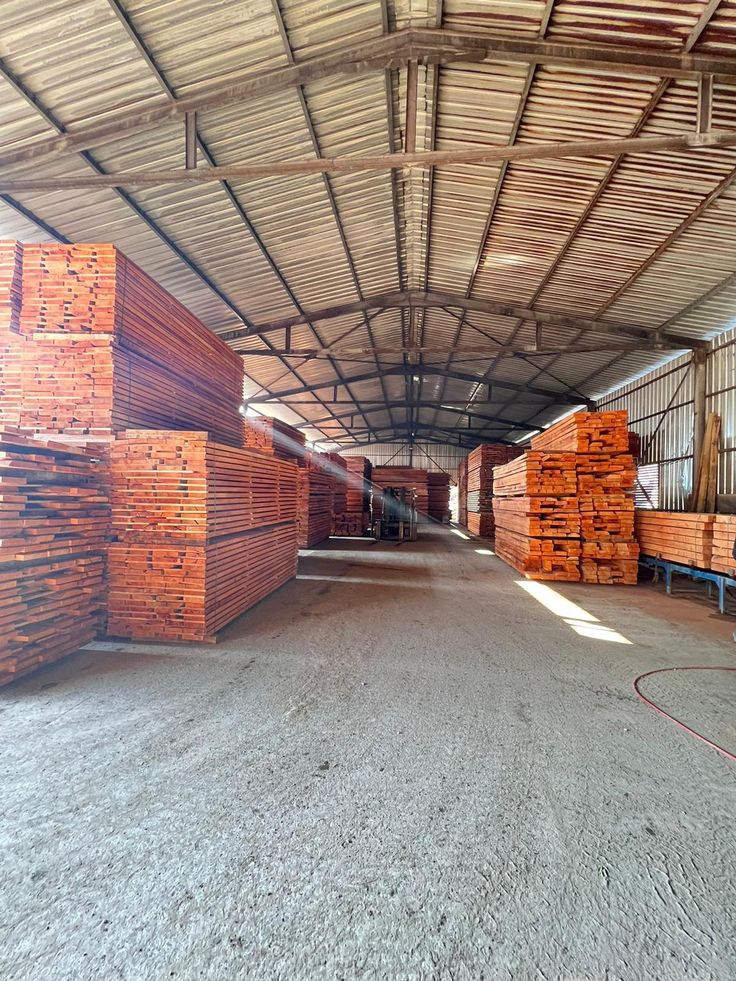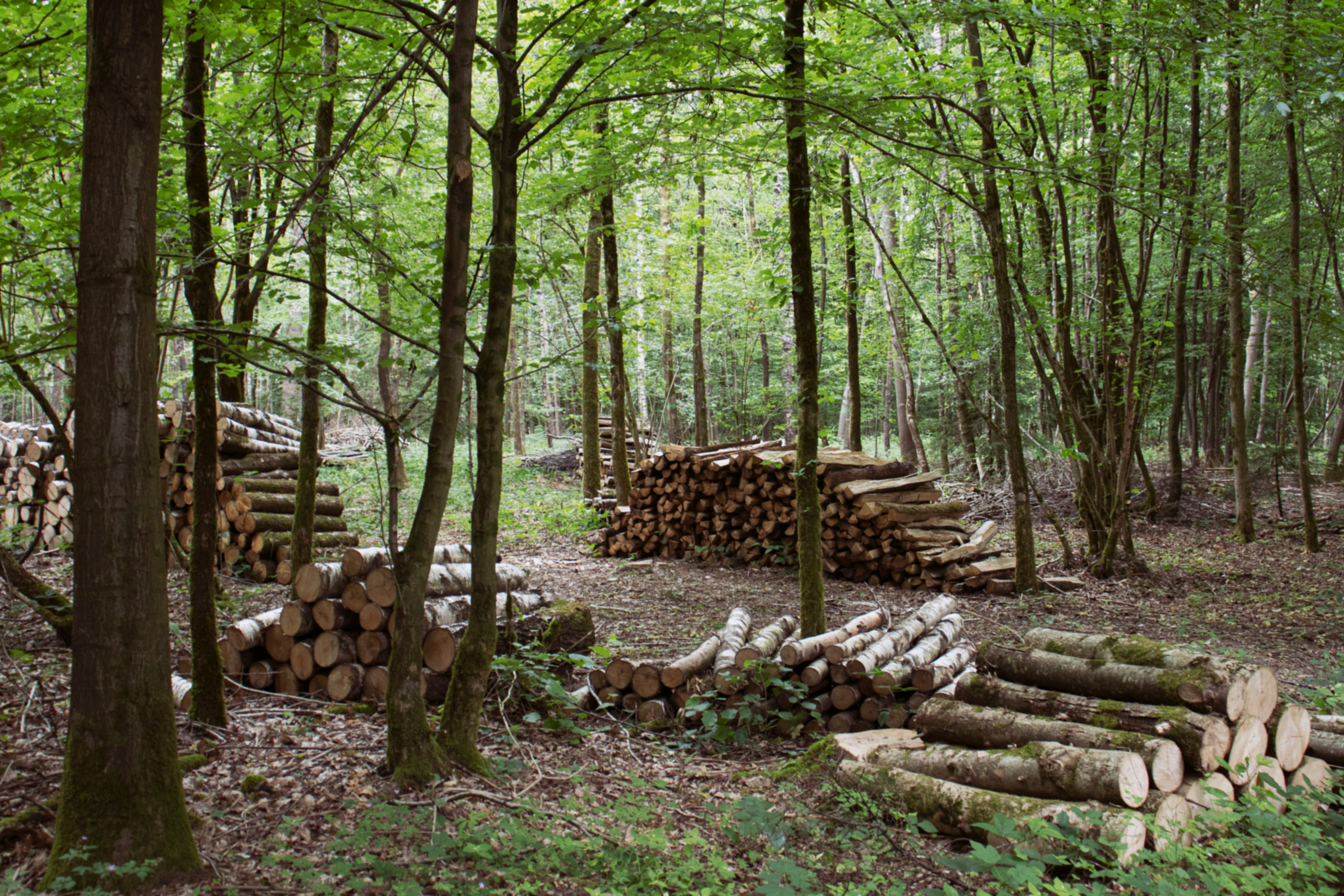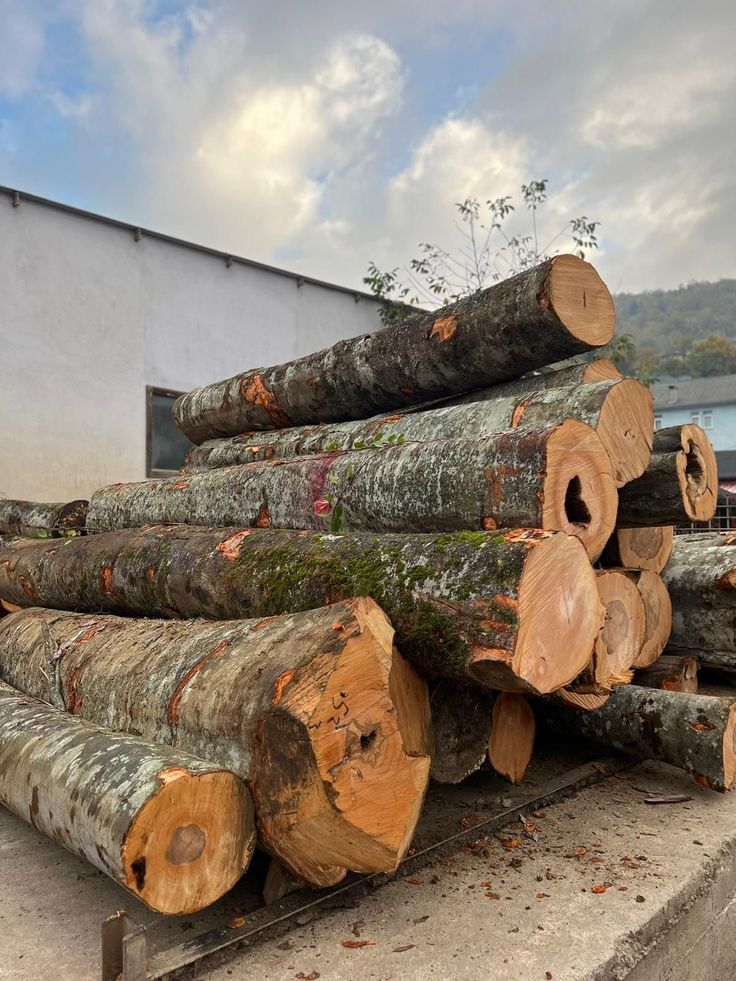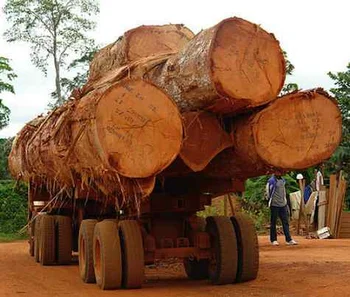
Currently, the state of logging in Africa is quite complicated, with rampant logging affecting the lives of local people and having long-term impacts on natural forest ecosystems and the environment. This uncontrolled deforestation not only leads to the loss of biodiversity but also disrupts the livelihoods of communities that rely on the forest for food, water, and shelter. The degradation of soil quality and the increase in greenhouse gas emissions further exacerbate the environmental crisis. However, at Nebu Timber, alongside logging, reforestation and sustainable logging process have become our working principles.
Table of Contents
Sustainable Logging Process
There is the sustainable logging process of HATC, which includes the following five main steps:
Forest Survey
Upon receiving an order, HATC conducts a thorough forest survey to identify and select forest areas that contain the specific wood types requested by the customer. This process involves a series of steps:
- Conduct a preliminary assessment to pinpoint potential logging zones.
- Survey the quantity of wood requested by the customer to match the number of trees in the forest area.
- Identify any barriers or dangers, such as wild animals or trees that need conservation.
- Plan specific routes to optimize logging time.
The survey team carefully selects and marks the appropriate trees while documenting all findings. This comprehensive data collection ensures that HATC meets customer needs without compromising environmental integrity.
Please note: In some cases, there might be delays due to objective reasons. This can affect any order, and we hope customers understand.
Reporting to the Government
To be permitted to log, HATC must obtain a logging permit from the local commune by completing necessary procedures and paying taxes at the District level. This involves submitting detailed documentation such as:
- Forest Exploitation Licenses
- FSC (Forest Stewardship Council)
- EUDR (EU Deforestation-free Regulation)
These liencses about the proposed logging activities, including the specific areas to be logged, the types and quantities of trees to be harvested, and the planned methods for ensuring sustainability. The file is then sent to the provincial authorities for further evaluation. This step would take about 1 month to complete the forest exploitation license and 3-4 months to complete international certificates. They assess whether the company has the capacity to manage and log the forest responsibly, considering factors such as the company’s track record, adherence to environmental regulations, and plans for reforestation and rehabilitation.

Labor and Equipment
Contact the Operation Team: Initiate communication with the operation team.
Prepare the Workforce: Organize and allocate the necessary labor force.
Determine Equipment and Labor Needs: Assess and confirm the quantity of equipment and labor required. Ensure all equipment meets stable standards and the workforce possesses professional expertise.
Maintain Machinery: During and after use, ensure machinery is meticulously maintained to maximize lifespan and efficiency.
Repair and Reuse: In case of machinery breakdowns, instead of abandoning it in the forest, HATC retrieves, repairs, and reuses the equipment to prevent environmental waste.
Forest Logging
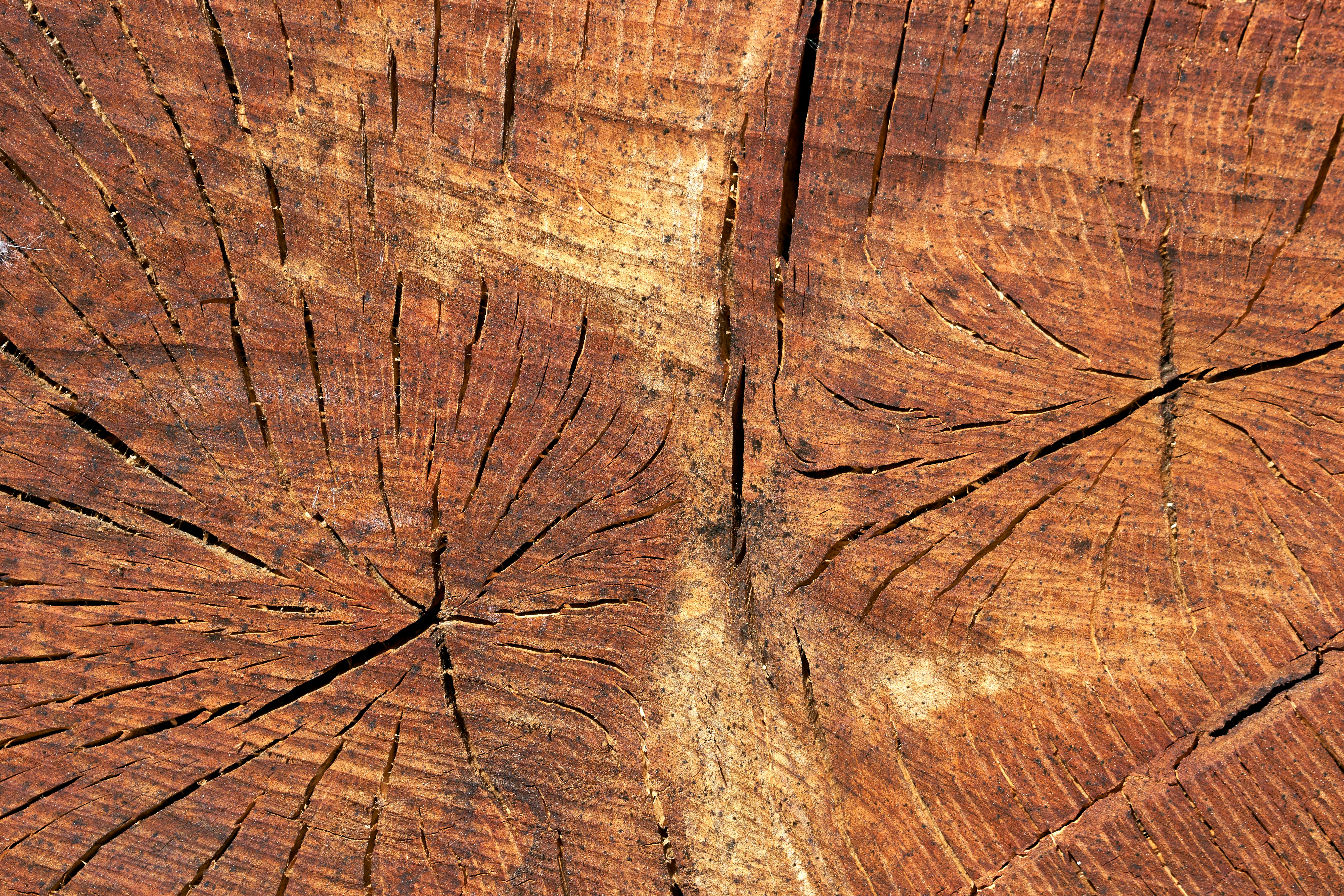
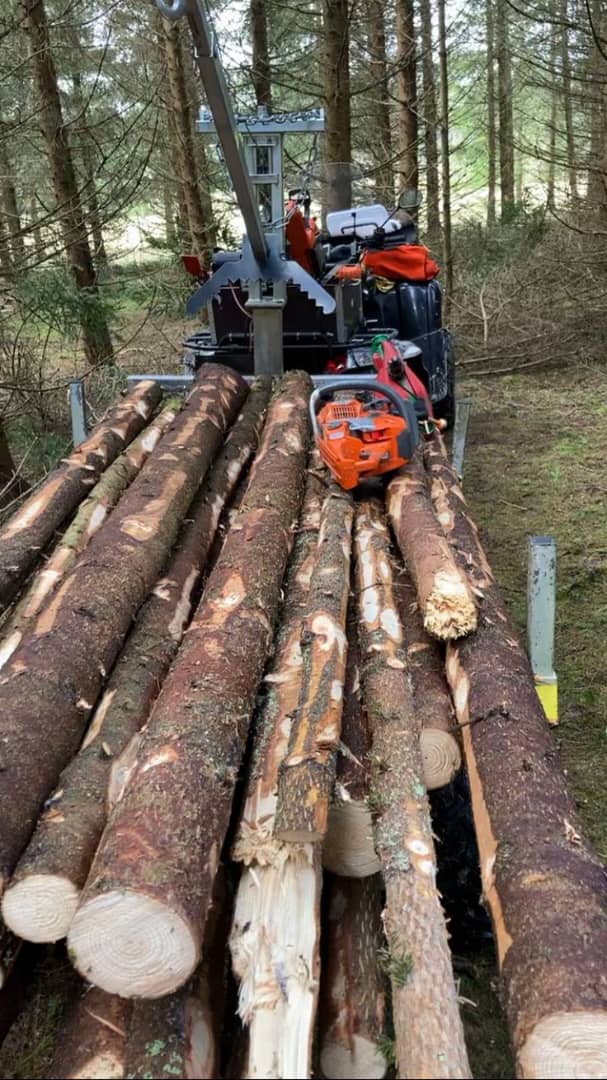
Currently, the state of logging in Africa is quite complicated, with rampant logging affecting the lives of local people and having long-term impacts on natural forest ecosystems and the environment. However, unlike other companies, HATC operates with the motto of sustainable logging. Instead of mass logging that leaves behind large cleared areas, HATC employs selective logging techniques. Trees are carefully chosen and harvested at appropriate densities, which helps to maintain the forest canopy and avoid disturbing the soil structure. This approach preserves the forest’s ecological integrity, supports wildlife habitats, and promotes the natural regeneration of the forest.
Reforestation and Rehabilitation
To ensure the sustainability of logging activities, replanting native tree species to replace those that were logged is essential. This not only helps maintain forest cover but also supports biodiversity. Efforts should also be made to restore degraded areas affected by logging. At HATC, reforestation projects in the central highlands have successfully rehabilitated large areas of degraded land, restoring ecosystems and providing habitats for numerous species. In 2023, HATC organized the “greening bare hills” campaign, aiming to restore forests at risk of desertification. This is one of the efforts to sustainably develop forest exploitation not only in the short-term but also in the next 50-80 years.
Human and Social
Besides exploiting forests, Nebu Timber (HATC) also strives to develop social security for local people. The following are some activities to develop sustainable forest exploitation in the long-term:
– Build schools to develop stable human resources for the company in the future
– Provide jobs for local people
– Construction of public works such as roads and bridges
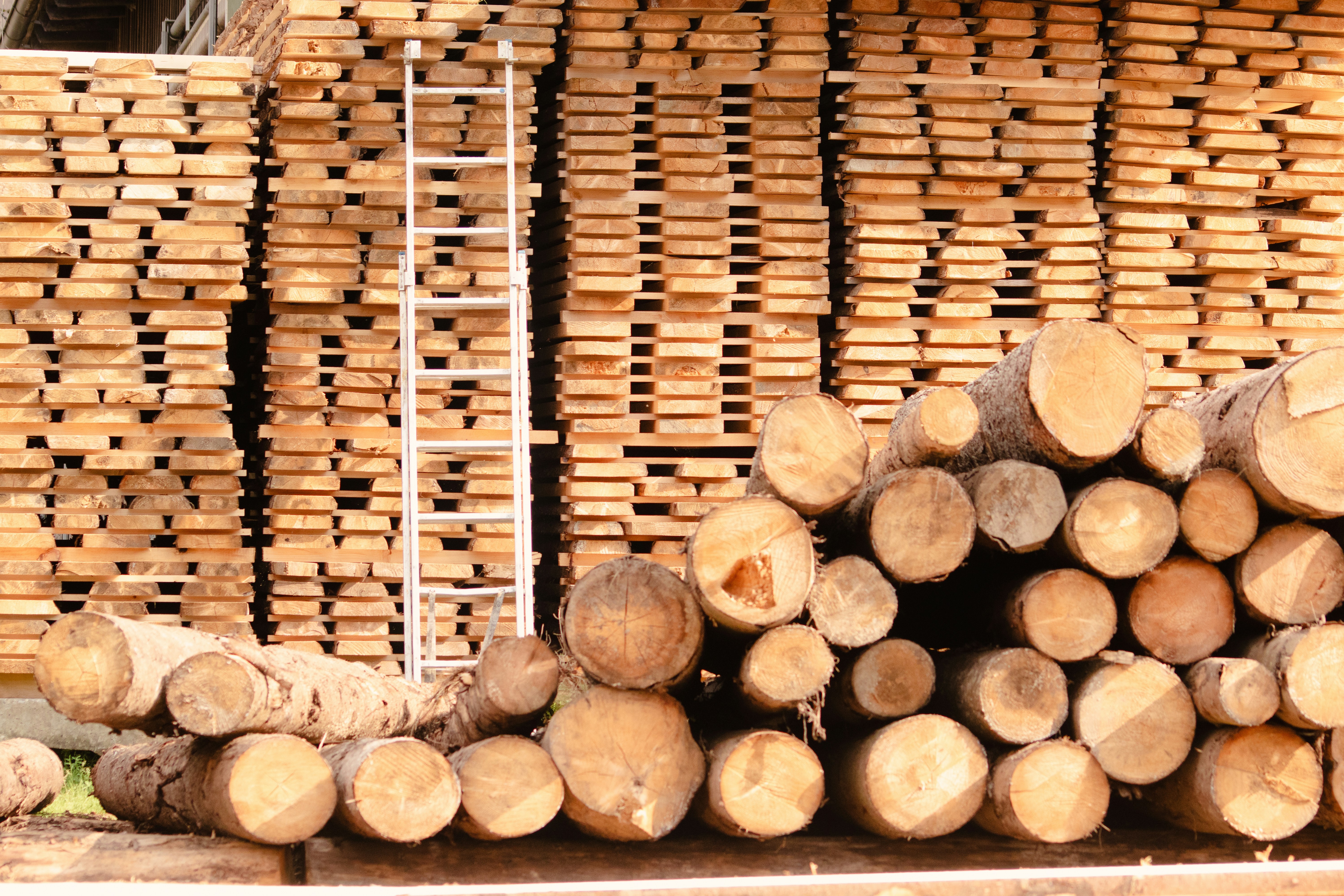
The article above details the sustainable wood production process at Nebu Timber (HATC). Beyond pursuing profits, Nebu Timber prioritizes social objectives and a forward-looking vision. By adhering to stringent regulations and implementing best practices, Nebu Timber ensures its operations benefit both the environment and local communities.