Timber and lumber are two terms often used interchangeably, but there is a subtle difference between the two. In the United States and Canada, timber is typically used to refer to trees or wood that has yet to be processed. This includes both standing trees and felled trees that still have their bark on. On the other hand, lumber refers to wood that has been processed into boards and planks. In this article, let’s explore the differences between the timber and lumber with NEBU TIMBER.
Table of Contents
What is Timber?
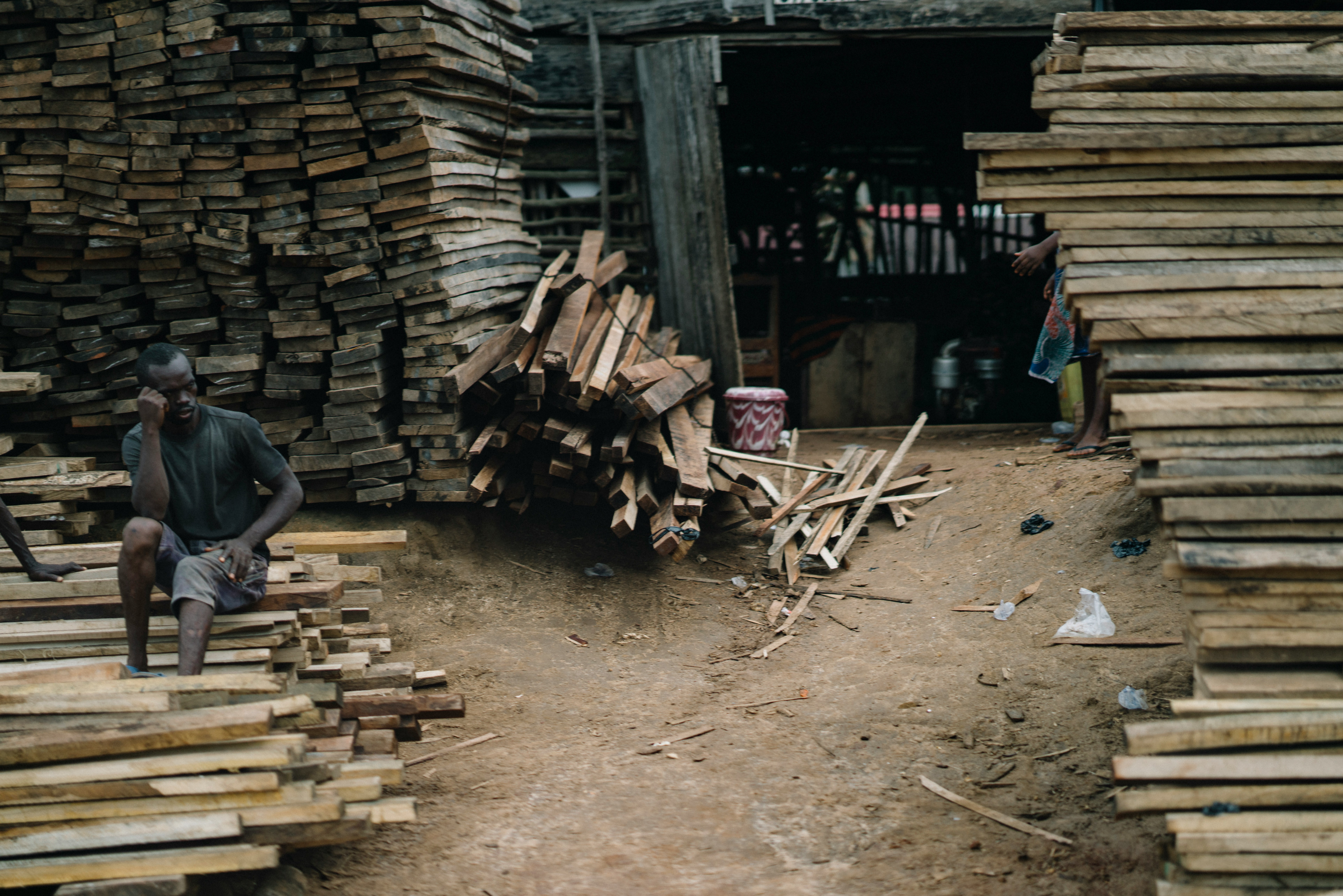
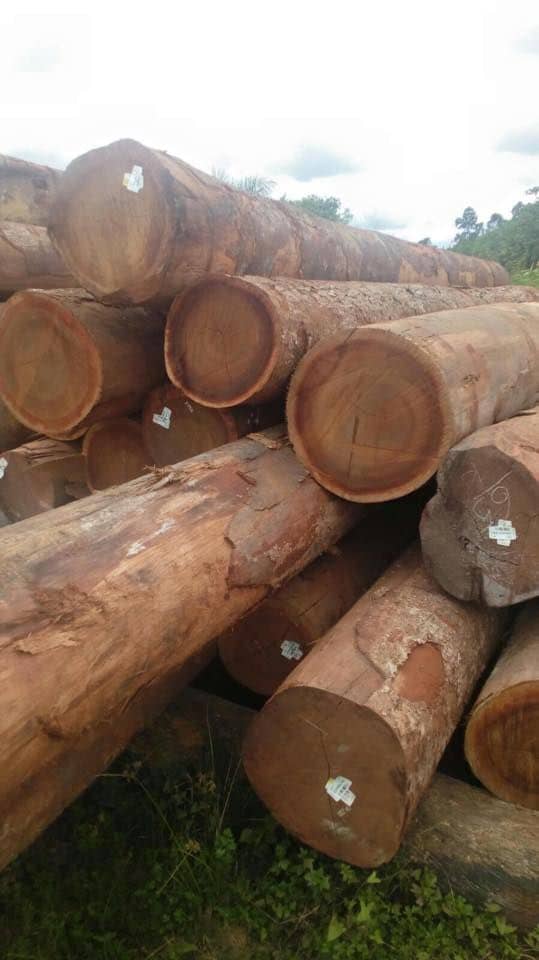
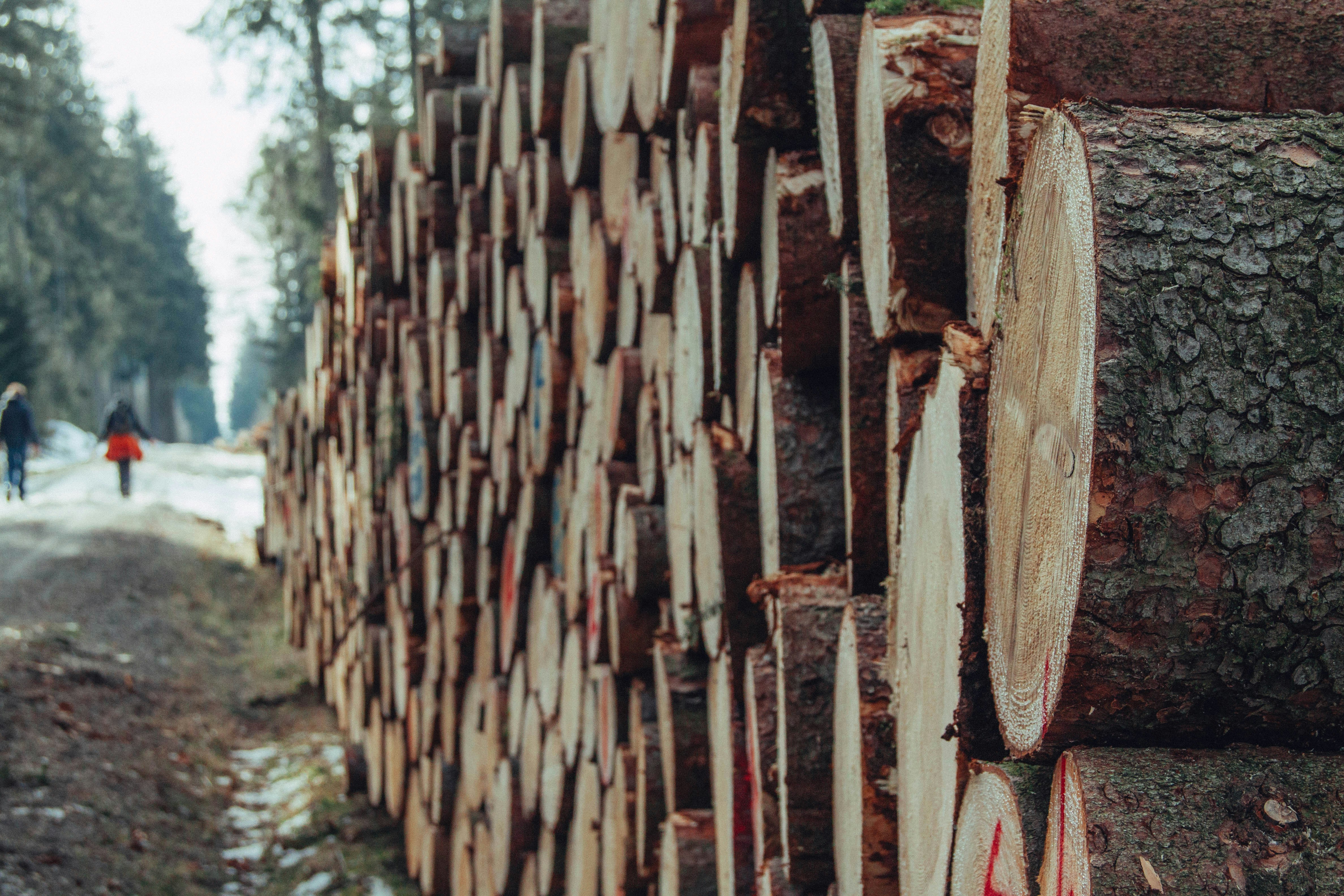
The concept of Timber often has many different meanings. In a broad sense of the word, timber can be understood as unharvested wood such as cut logs or standing trees that have not been felled.
In addition, another meaning of timber is wood that still has its bark intact to retain the natural look and aesthetics of wood. Timber in this sense may also include more of its original size and shape, reflecting its growth patterns, rather than being sawn to specific dimensions.
In other parts of the world, such as England, Australia, and New Zealand, it is used interchangeably with the term lumber, which refers to milled boards. Timber is a valuable natural resource that is used for a variety of purposes, including construction, furniture making, paper production, and fuel.
What is Lumber?
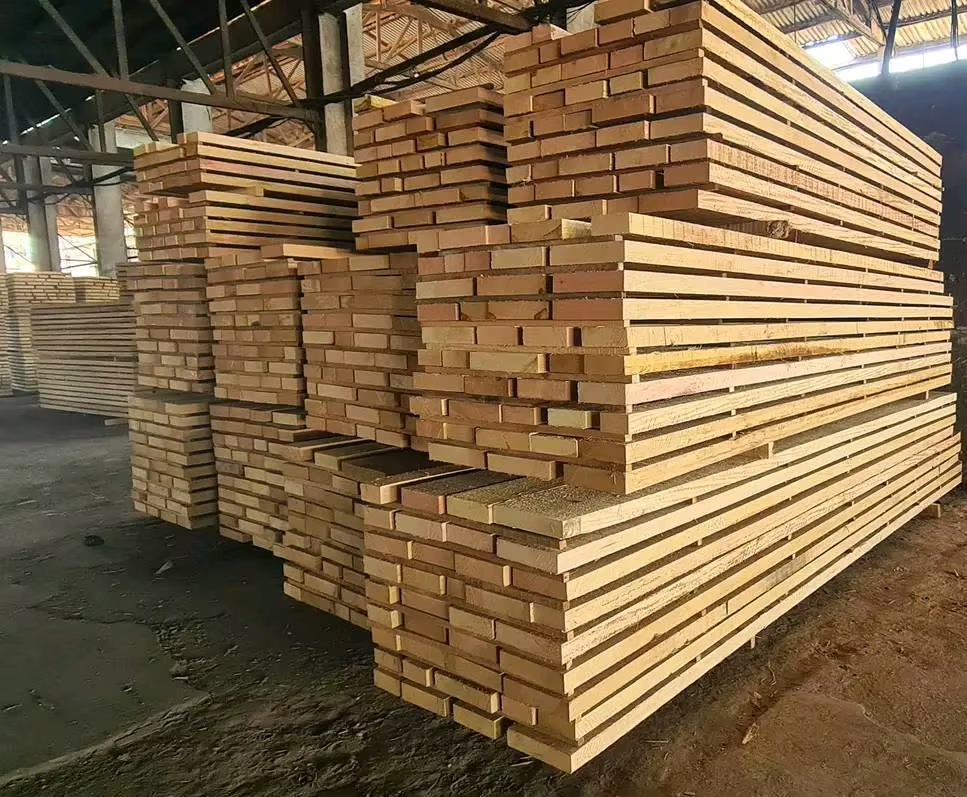
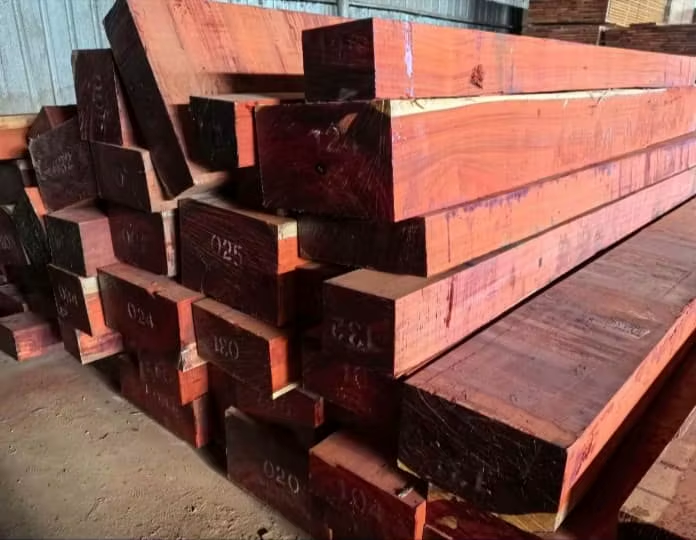
Lumber is wood processed into standard and uniform sizes to simplify its use in design and construction materials. Lumber has many uses beyond home building, such as in furniture making, shipping crates, and flat furniture
Lumber is produced in sawmills, where logs are cut into boards and planks of various sizes and thicknesses. The boards are then dried and graded according to their quality and appearance. The most common grades of lumber are Eucalyptus lumber and Acajou lumber which are suitable for most construction applications. Higher grades of lumber, such as select and premium, are often used for finishing and other decorative purposes.
Top 6 Differences Between the Timber and Lumber
To better understand the difference between timber and lumber. Let’s evaluate with NEBU TIMBER based on the 5 differences below:
| Point/Term | Timber | Lumber |
| Definition | Tree or unprocessed wood | Processed or laid down wood, typically bark-less dry processed wood. |
| Origin | First used in the 7th century and was widely used among people of that time. | First used in the 16th century in Italy. |
| Bark | May have bark | Does not have bark |
| Common usage | U.S. & Canada: Small pieces of lumber
U.K. & Australia: Refers to the same product |
U.S. & Canada: Wooden boards |
| Commercial usage | Less commonly used for commercial purposes | The most commonly used term for commercial purposes and sale |
| Cost | Typically cheaper than lumber | Typically more expensive because lumber has been processed, dried, and classified |
Timber into Lumber: The Journey from Rudimentary to Sophisticated
The processing process from timber to lumber can be broken down into the following steps:
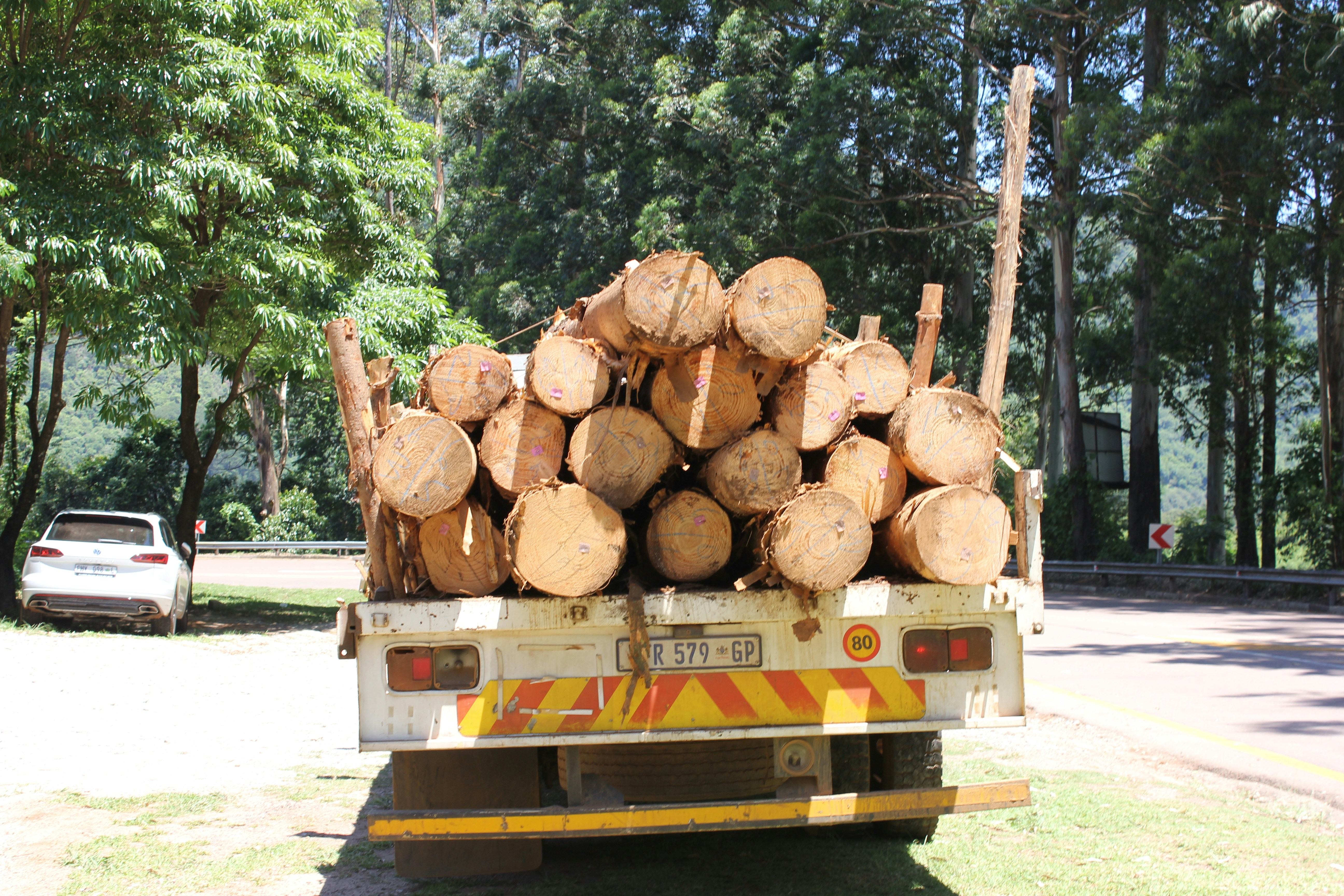
- Felling and bucking: The trees are felled and cut into shorter logs, typically 8-16 feet long.
- Debarking: The bark is removed from the logs to expose the wood.
- Sawing: The logs are sawn into lumber using a variety of saws, such as band saws, circular saws, and headrigs.
- Edging: The rough edges of the lumber are removed.
- Trimming: The lumber is cut to the desired length.
- Sorting: The lumber is sorted by grade and size.
- Drying: The lumber is dried to reduce its moisture content and prevent warping and cracking.
- Planning: The surfaces of the lumber are smoothed and made uniform in thickness.
- Grading: The lumber is graded again based on its quality and appearance.
Once the lumber has been processed, it is ready to be used in a variety of applications, such as construction, furniture making, and woodworking. If you are looking for a reliable source of high-quality lumber at an affordable price, the information below is for you. Let’s find out more!
Learn more: The Difference Between Hardwood and Softwood
Where to buy timber in bulk?
Currently, there are many wood suppliers in Africa, but not all of them offer high-quality products and reliable services. NEBU TIMBER is one of the leading suppliers of high-quality timber and lumber from tropical forests in Africa. With more than 20 years of operation in the wood import and export industry to the world. We are proud to be a comprehensive solution for all your construction and interior projects.
NEBU TIMBER specializes in providing a variety of different types of wood such as Takula, Mussivi, Doussie, Iroko, Eucalyptus, and so on. Our wood products are all sustainably sourced and processed to meet international quality standards and the CITES/FLEGT Agreement with the EU. Whether you need wood for construction, furniture making, or other industrial purposes, NEBU TIMBER has the perfect solution for you.
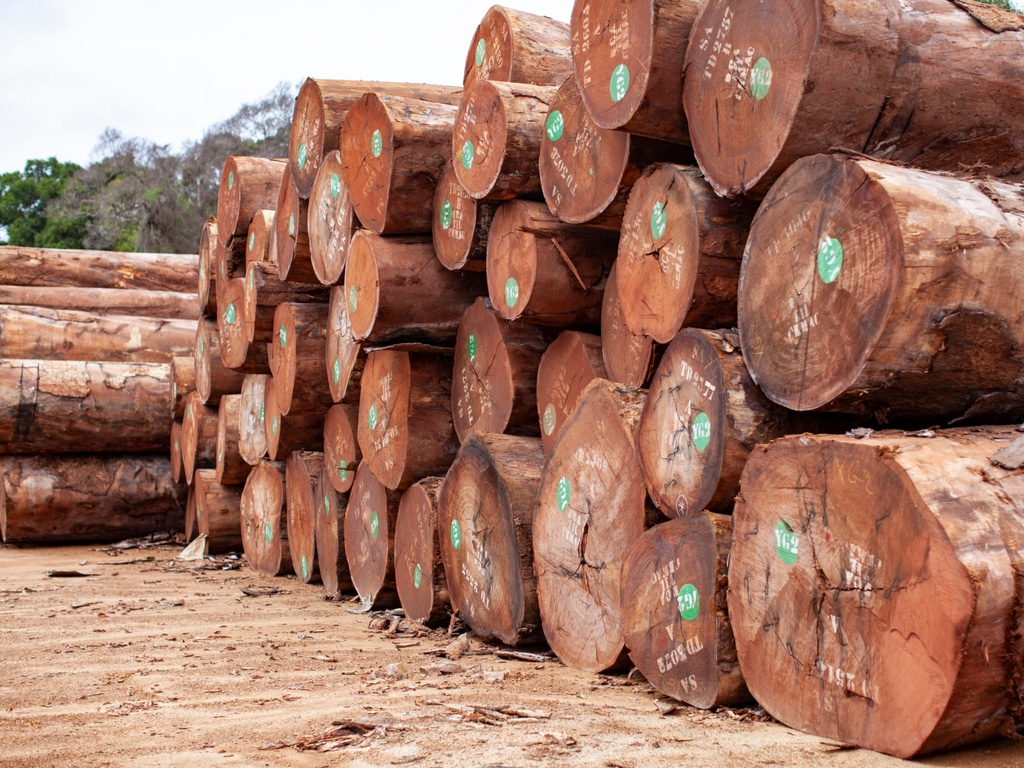
In 2022, NEBU TIMBER exported 15,000 m3 of wood per month. Among them, the US is the largest export market we target. With a large supplier network in Cameroon, America and Vietnam. NEBU TIMBER is committed to providing customers with the highest quality timber and lumber at the most competitive prices on the market up to 20%.
To find out more about any of the products we offer or for any further inquiries, contact NEBU TIMBER today at:
- Phone: +237 6 71 12 88 22 / +237 640099366 833333914
- Whatsapp: +237 6 71 12 88 22 / +237 640099366 833333914
- Email: info@nebutimber.com
The key distinction between timber and lumber lies in their stage of transformation. This processing enhances the usability and durability of wood, making it suitable for building homes, furniture, flooring, and other structures. Hopefully, this article has helped you better understand the differences between the timber and lumber.


![[Nebu Timber] Blog Post Boder (7)](images/african-hardwood-log-pile-15.jpeg)

![[Nebu Timber] Blog Post](images/hardwood-timber-grain-texture-11.jpg)