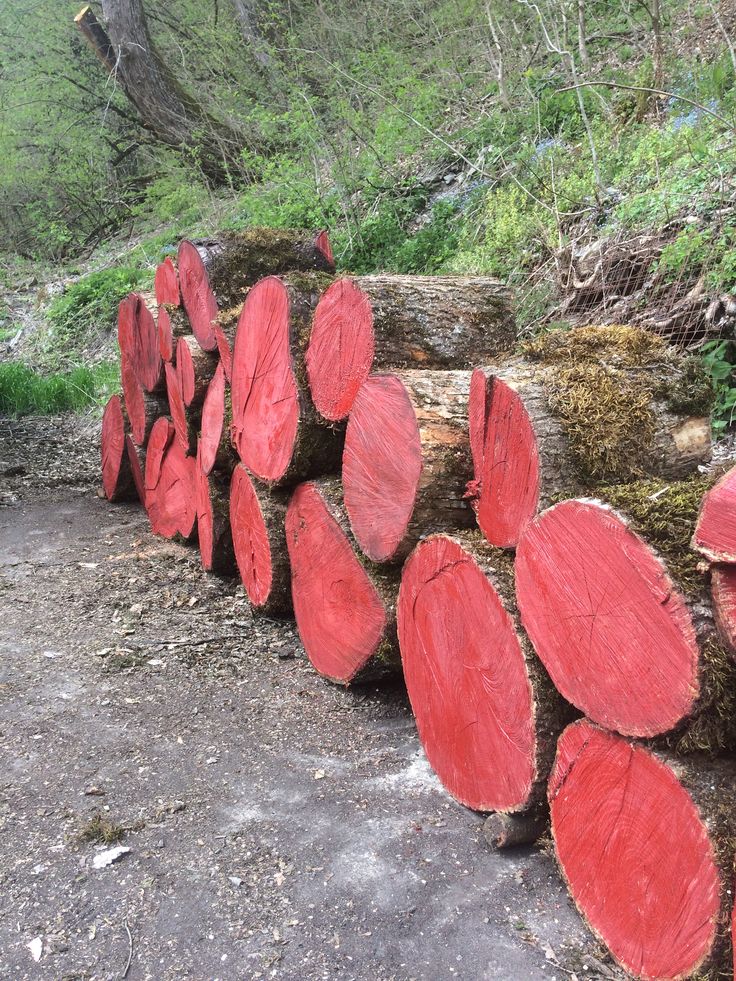
In 2026, sustainable timber sourcing has become more critical than ever for businesses and consumers worldwide. As environmental concerns intensify and regulations tighten, understanding and implementing best practices in timber procurement is essential for responsible forestry and long-term industry viability.
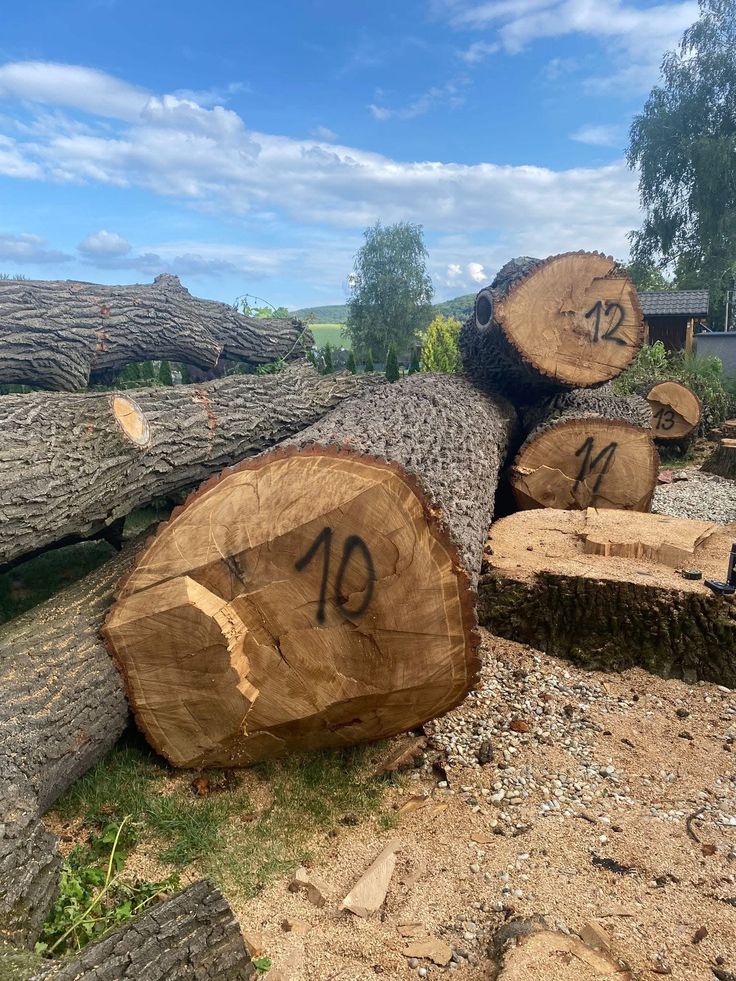
Table of Contents
FSC Certification & Verification
Forest Stewardship Council (FSC) certification remains the gold standard for sustainable timber sourcing in 2026. This internationally recognized certification ensures that timber products come from responsibly managed forests that provide environmental, social, and economic benefits.
When sourcing timber, prioritize suppliers with valid FSC certification. This certification guarantees that forests are managed to preserve biological diversity, benefit local communities, and maintain ecological processes. Regular audits and third-party verification ensure ongoing compliance with stringent environmental standards.
Chain of Custody Tracking
Implementing robust chain of custody (CoC) tracking systems is essential for sustainable timber sourcing. CoC documentation traces timber from the forest to the final product, ensuring transparency and preventing illegal logging from entering the supply chain.
Modern CoC systems utilize blockchain technology and digital tracking platforms to provide real-time visibility into timber origins. This technology enables buyers to verify that their timber comes from certified sustainable sources and hasn't been mixed with illegally harvested wood during processing or transportation.
Legal Compliance & Due Diligence
Compliance with international timber regulations, including the EU Timber Regulation (EUTR) and the U.S. Lacey Act, is mandatory for responsible timber sourcing. These regulations require companies to exercise due diligence to ensure timber legality and prevent illegal logging.
Effective due diligence involves verifying harvest permits, conducting risk assessments of source countries, and maintaining comprehensive documentation. Companies must also stay updated on evolving regulations and implement systems to quickly adapt to new compliance requirements.
Biodiversity Protection
Sustainable timber sourcing must prioritize biodiversity conservation. This includes avoiding timber from high conservation value forests, protecting endangered species habitats, and supporting reforestation initiatives that maintain ecosystem diversity.
Best practices include conducting biodiversity impact assessments before harvesting, implementing selective logging techniques that preserve forest structure, and establishing protected corridors for wildlife. Responsible suppliers actively monitor and report on biodiversity metrics within their concessions.
Community Engagement
Sustainable timber sourcing recognizes the rights and needs of local and indigenous communities. Ethical suppliers engage with communities through free, prior, and informed consent (FPIC) processes, ensuring that forestry operations benefit rather than harm local populations.
Community engagement includes fair employment practices, revenue sharing agreements, and support for local development projects. Responsible timber companies invest in education, healthcare, and infrastructure improvements in forest-dependent communities.
Carbon Footprint Reduction
Minimizing the carbon footprint of timber sourcing is crucial for climate change mitigation. This involves optimizing transportation routes, using energy-efficient processing methods, and supporting forest management practices that maximize carbon sequestration.
At Nebu Timber, we implement these sustainable sourcing best practices across our operations in Cameroon. By prioritizing FSC certification, maintaining transparent supply chains, and engaging with local communities, we ensure that our timber products meet the highest environmental and social standards. Our commitment to sustainability helps preserve Africa's precious forest resources for future generations while delivering premium quality timber to customers worldwide.


![[Nebu Timber] Blog Post Boder](images/hardwood-timber-grain-texture-3.png)